I have set up more backyard parties than I can count. Block parties, church picnics, birthday blowouts, last day of school bashes. If there’s one rental that changes the energy the moment it inflates, it’s the inflatable water slide. People smile before they even take off their shoes. The air fills, the vinyl rises, and kids start negotiating who goes first. Parents relax. The thermometer could be pushing ninety, but the vibe turns playful and easy. That’s the quiet magic of a well-chosen water slide rental.
The instant upgrade a slide gives your event
A party without a focal point meanders. Guests split into pockets and you spend half your time shepherding conversations. A big inflatable water slide does the easy work for you. It creates a natural center of gravity. Movement replaces small talk, and laughter does the rest.
There’s also a practical angle. On hot days, you can plan games, crafts, and yard sports, yet by midafternoon everyone drifts toward shade and ice coolers. A slide keeps guests active with minimal coaxing. When I run events, I estimate activity participation based on heat. On a 92-degree day, traditional yard games might draw 30 percent of kids for short bursts. A water slide holds 80 to 100 percent of them in cycles for hours. That means less boredom, fewer meltdowns, and parents who get to finish a conversation.
Why an inflatable water slide beats other attractions
I keep a mental checklist when recommending rentals. Not every backyard has the same square footage, ground slope, or hose access. Still, water slides outperform most alternatives on three core fronts.
First, they scale. A mid-size slide cycles five to eight kids every five minutes because each run lasts about 15 to 45 seconds, depending on height and lane length. Over an hour, you can easily see 60 to 100 runs, which means many turns for everyone without a train of restless kids.
Second, they fit varied age ranges. A standard bounce house rental suits ages three to ten beautifully, but tweens and teens can outgrow the novelty faster. A 16 to 20 foot water slide hits the sweet spot where older kids still queue up, and younger ones can participate with a parent stationed at the ladder. If you have a mixed crowd, pairing a bouncy castle with a water slide works wonders: the bounce house soaks up the little ones, the slide keeps the older kids invested.
Third, they adapt to space. A compact single-lane slide might need a footprint around 25 by 12 feet and about 15 feet of clear height. Larger two-lane models climb to 20 feet tall and 35 to 40 feet long, which suits bigger yards or event fields. The key is choosing a size that breathes in the available space rather than overwhelms it. A reputable inflatable rental company will ask for photos or measurements before they confirm, and that’s a good sign they care about safety and showmanship.
The parent calculus: cost, safety, and supervision
Most people ask me the same three questions when they rent inflatable: What will this cost me, how safe is it, and how much oversight do I need?
Pricing varies by market and season. As a broad range, a weekday water slide rental in a suburban area might run 250 to 375 dollars for a smaller model. A weekend prime slot for a 20 foot dual-lane slide, especially if it includes setup, teardown, and a long rental window, can climb to 450 to 700 dollars. Delivery distance, holiday weekends, and add-ons like a generator or overnight pickup change the math. If you see a bargain that seems too good to be true, it probably is. Vet the company’s insurance certificate and ask about their cleaning protocol before you sign.
Modern inflatables are built with baffled chambers, reinforced seams, and non-slip steps. That doesn’t eliminate risk, but it reduces preventable mishaps. I like slides with high sidewalls along the lanes, a shallow splash pool with a quick-drain flap, and well-spaced handholds on the ladder. Safety improves dramatically when you control two variables: capacity and footwear. Keep mixed ages separate for a few minutes at a time so a 6 year old isn’t climbing under a 13 year old, and enforce no-shoes, no-hard-objects without wavering. If you’re hosting a blowout crowd, hire a dedicated attendant; it costs less than the charcuterie board and buys you real peace of mind.
Supervision is less about policing and more about rhythm. Set an informal cadence so kids rotate. For busy parties, I like a two-guardian system, one at the ladder and one at the splash pool. Each uses simple calls like “Go” and “Clear” to pace the runs. It keeps the line moving and reduces pileups without killing the fun.
The part most people overlook: water management and ground prep
Water is the joy and the challenge. A slide can run off a standard garden hose at residential pressure. Expect 3 to 5 gallons per minute for the sprayer line, sometimes less if the nozzle has a flow restrictor. The rate is modest, but over two to four hours it adds up. If your area has water restrictions, choose a recirculating setup where feasible, or run the sprayer intermittently once the slide is wet. A sprinkler timer can help you pulse the flow in short bursts.
Ground prep matters more than a lot of hosts realize. Clear a footprint a touch larger than the slide’s base and walk it slowly. Pick up sticks, pea gravel, landscape staples, and pet toys. If the lawn is sun-baked and uneven, a set of tarps and foam pads under the slide reduces wear and cushions high spots. Never set up over a slope where the head of the slide is lower than the pool. Water will collect and turn the landing into a splashy brake that ends in an awkward thud. A slight downward slope toward the pool is ideal.
When the party ends, you want drying, not swampy footprints. Turn off the sprayer 10 minutes before final runs and let kids slide dry. Have towels waiting. Ask the crew to do a quick wipe and stand the landing flap to drain. If the unit stays overnight, keep it inflated for an hour after use to dry the seams and underside.
Matching the slide to the party
There is no one perfect slide, only the right slide for each event. Start with headcount and average age. For a 5 year old’s birthday with a dozen kids, a 13 to 15 foot single-lane slide with a shallow splash pool is plenty; it looks big to little eyes and keeps speeds manageable. For a family reunion with lots of cousins from 6 to 16, a dual-lane, 18 to 20 foot slide is worth the premium. Two lanes cut wait times and spark friendly races, which you can turn into quick challenges: first to touch the splash pad tag, best belly laugh, most creative pose.
If your yard is narrow, consider a compact curve slide where the landing wraps along the side, saving length. If you expect little ones who are cautious around steep ladders, ask for wider steps and non-slip treads. When I book for schools or church picnics, I try to mix a slide with a dry obstacle course nearby. The change of pace helps kids cycle between high splash energy and steady climbing fun, so they don’t burn out or overheat.
Bounce house versus water slide, and when both shine
A bouncy castle still earns its keep. It’s low water usage, fits tighter spaces, and works in shoulder seasons when temps hover in the seventies. For toddlers, it’s often the better first inflatable. That said, a hot-day party benefits from water. If your budget allows, pairing a bounce house rental with a slide gives you zones. The bounce house becomes the warmup and cooldown spot, the slide the highlight. Parents of very young children gravitate to the bounce area because it feels accessible, while older kids make the slide their home base.
People often search bounce house near me and water slide near me and land on a dozen similar-looking listings. The differentiator isn’t just the color or theme, it’s the company behind it.
What to look for in an inflatable rental company
I judge companies by how they handle three things: the phone call, the contract, and the crew. A good team will ask for your address early to check delivery range, then ask about terrain, gate widths, trees, and power and water access. They’ll offer to verify clearance with Google Street View or a quick texted photo. When they email the contract, you should see clear language on liability, weather cancellation, and cleaning. You want a certificate of insurance naming you or your venue as additional insured if it’s a public site. For inflatables for local events, many cities require it.
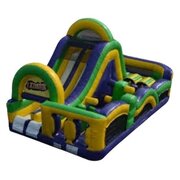
On delivery day, the crew should arrive early enough to troubleshoot. I watch for small tells: they carry extra stakes and sandbags, they use ground tarps without being asked, they wipe down the slide after setup, they test the blower, and they run the water line before walking you through rules. They don’t rush your questions. If they do those things, you picked well.
Safety that feels natural, not shrill
Rules only work when they’re simple and repeated gently. I’ve seen the tone of a party shift from fun to fussy when hosts deliver a five-minute lecture. Keep it short, visible, and steady. A laminated sheet near the ladder works better than a megaphone.
Here is a compact checklist I share with hosts before guests arrive:
- One slider at a time per lane, wait for “Clear.” No flips, no stopping on the slope, feet first. No shoes, glasses, jewelry, or hard objects. Keep small kids separate in brief turns. Dry run last 10 minutes with water off to reduce mess.
Most of this is common sense, but written rules help when you have relatives or neighbors who want to bend them. The trick is catching issues early with a light touch. If kids try to race down together, laugh, reset them, and remind them the racing happens with lanes, not bodies.
Themes, photos, and the memory factor
Not every party needs a theme, yet thoughtful touches help the slide feel cinematic. Tropical palm prints are popular because they read summer instantly in photos. If your photos matter, pay attention to background. Aim the slide so the top banner frames a bit of open sky rather than a fence. Ask the crew to tuck cords and hoses to one side. During the first 20 minutes, take your pictures while the vinyl is crisp, clean, and beaded with water. Then put the phone down and enjoy the splash soundtrack.
A trick I love for kids who are shy about steep climbs: run a few “celebrity slides.” Have a parent or the birthday kid go first with a confident whoop. The sound primes the line. The next kid copies the energy and the rest follow. You don’t need glitter cannons when water and gravity do the showmanship for you.
Weather, wind, and when to call it
Heat makes the slide a hero, wind makes it a question mark. The industry rule of thumb is to deflate in sustained winds around 20 to 25 miles per hour, or gusts strong enough to push the top of the slide visibly. If you feel a steady shove on your shoulders, it’s time to pause. Light rain is fine, provided there’s no lightning, but vinyl gets slick. Reduce water flow in drizzles to keep speed predictable. If a storm threatens, a good rental company will help you reschedule or offer a rain check depending on their policy. Ask before you book, not after the radar turns green and yellow.
Water use, neighbors, and good etiquette
In dense neighborhoods, the soundtrack of a blower and joyful shrieks carries. If you host often, talk to your immediate neighbors the day before. Let them know the rough timeframe and invite their kids. A dozen times out of a dozen, that small courtesy turns potential grumbles into extra towels and popsicles.
As for water use, you can be a good steward without sacrificing the fun. Pre-wet the slide, then pulse the sprayer. Place the landing where runoff waters a thirsty patch of lawn, not your mulch bed. If you run for three hours, you might use 50 to 100 gallons depending on flow. That’s less than many expect, and you can offset it by skipping a day of lawn irrigation.
Setup details worth getting right
Most set-and-forget problems start with power and hose runs. Use a dedicated 15-amp circuit for the blower. If your outdoor outlet shares a kitchen circuit, a microwave or fridge cycling can trip it. Ask the crew for a GFCI test before they leave. Keep all cords away from walking paths, and cover them if they cross any traffic. For water, a basic hose filter can keep sediment from clogging small sprayer holes, especially in older neighborhoods with galvanized plumbing.
If you must place the slide on concrete, request extra padding at the base and sandbag anchoring. Stake tie-downs are ideal on grass because they prevent micro-shifts. On hard surfaces, more weight and frequent checks protect against creep.
How to find the right option near you
When people type water slide near me or bounce house near me, they get a maze of nearly identical thumbnails. Photos can be misleading, so read the product dimensions and the fine print. Pay attention to how a company describes their gear. If they mention vinyl gauge, fire-retardant standards, blower horsepower, and cleaning protocols, they take their inventory seriously. If they only sell the fantasy with a cartoon banner but no specs, move on.
For inflatable for kids parties, I like companies that rotate their stock so a heavily used piece gets deep-cleaned and retired on schedule. Ask how often they cycle liners for splash pools and if they sanitize between deliveries. They should. If the person on the phone hesitates, keep calling around.
Mixing slides with community events
Inflatables for local events have their own rhythm. You’ll see higher throughput and a wider mix of ages. If you’re booking for a school field day, prioritize dual-lane models with quick reload ladders. Put stanchions in place to channel lines, and use a wristband or ticket system so late arrivals get a fair shot. Schedule short rotations of ten minutes per group. The water slide anchors the event, then satellite stations like face paint, a dry obstacle course, or a misting fan give kids a breather.
For church picnics or city block parties, ask for a site check. Utility markings, overhead lines, and sprinkler heads can complicate placement. The best companies will walk the site, measure, and give you a layout. Think shade for the waiting area, not just the slide. A pop-up canopy and a cooler of water saves the day more often than the perfect playlist.
The budget-friendly path without cutting corners
If your budget is tight, you don’t have to abandon the idea. Tactics that help: book on a Friday evening or Twin Cities best inflatable rental services Sunday afternoon, which are often off-peak. Share the rental with a next-door neighbor and split the fee while the company does a single delivery. Choose a single-lane slide, then add a small sprinkler pad from your own stash for toddlers. Or pair a smaller slide with a classic bouncy castle; suppliers often discount combo bookings because the truck and crew time get amortized.
The corner you should never cut is anchoring and supervision. If a quote is low because the company skimps on sandbags, stakes, or crew, that’s a false economy. You want the unit rock solid and monitored.
A brief story from a scorching Saturday
One August, we ran a neighborhood party on a dead-end street that bakes all day. Forecast said 97 degrees, minimal wind. We placed a 19 foot dual-lane slide under the only three trees that cast shade by late afternoon, aiming the lanes so the sun hit the back panel, not the steps. We set a sprinkler timer to pulse the water every five minutes for 30 seconds. The kids didn’t notice the cycles, but the hoses didn’t flood the lawn. We used a dry bounce house as the cool-down zone with a misting fan at the door.
By sunset, the grass under the slide felt firm, not mushy, and the photos looked like a postcard. Parents told me no one begged to leave early. That’s the benchmark I use. When a party keeps people present without effort, the host did it right.
The takeaway from a lot of wet Saturdays
You can rent a dozen novelties for a summer party, yet few deliver the same return as a well-chosen inflatable water slide. It solves the heat. It unites ages. It gives structure without rules. It creates a memory loop of climbs, shrieks, and splashes that plays back in car rides home. If you rent inflatable gear once a year, make it the slide for the hottest month.
Call a reputable inflatable rental company, ask good questions, choose a size that fits, and prep your space. Set simple guardrails so safety feels natural. Think a little about water and shade. Then let the day run on laughter. The star of a summer party doesn’t need confetti or lasers. It needs gravity, water, and a line of kids who can’t wait for their next turn.